Does Grounding Work With Socks
FREE Shipping On All Orders Over £70
Does Grounding Work With Socks
Grounding (also known as earthing) is most often associated with bare feet on grass, sand, or soil. And for good reason, direct skin contact with the earth is the most efficient way to absorb its natural electrical charge. But not everyone can go barefoot, whether due to the British weather, cold floors, circulation issues, or simply preference.
So the question is a practical one: does grounding still work if you’re wearing socks? The short answer is yes, with some important caveats. Here’s what you need to know.
Standard cotton or synthetic socks act as an insulator. They block the direct flow of electrons from the ground to your skin, which means that for most practical purposes, thick, dry socks will significantly reduce or eliminate the grounding effect.
That said, moisture changes things. Natural foot perspiration can dampen socks enough to make them slightly conductive, particularly with very thin sock materials. If your feet are warm and the socks are thin and close-fitting, there may be some degree of electron transfer, though it will be considerably weaker than going barefoot.The type of material also plays a role. Natural fibres like cotton tend to hold moisture better than synthetic materials, making thin cotton socks marginally more suitable for incidental grounding than thick polyester or wool blends. However, none of these come close to the conductivity of bare skin on natural ground.
This is actually one of 5 ways you may be unknowingly insulated from the earth without realising it. For occasional, casual grounding outdoors, thin damp socks on natural ground may provide some benefit. For consistent, reliable grounding, they are not ideal.
If going barefoot outdoors isn’t always practical, the most reliable solution is to use indoor grounding products that allow you to stay connected to the earth’s charge regardless of what you’re wearing on your feet.
A grounding mat plugs into the earth port of a standard UK socket and replicates the earth’s electrical connection indoors. Used with bare feet directly on the mat surface, it delivers the same core benefits as standing barefoot on natural ground. This makes it ideal for working at a desk, relaxing on the sofa, or maintaining a daily grounding practice throughout the colder months.
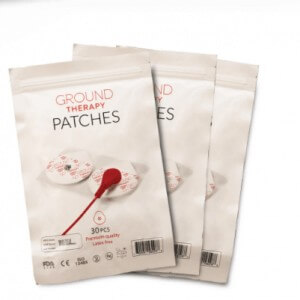
Earthing patches are another highly practical option, particularly for targeting specific areas of discomfort or inflammation. They attach directly to the skin, bypassing the issue of footwear entirely and providing a direct, consistent connection.
For more on implementing grounding into everyday life without needing to go outside, read our posts on earthing at home and integrating grounding into your daily routine.
Whether you’re grounding barefoot outdoors or using an indoor mat, the potential health benefits are the same. For a comprehensive overview, read our full article on the benefits of earthing and grounding. Consistent grounding practice has been associated with:
If sleep is a particular concern, it’s also worth exploring grounding while you sleep and our top grounding products for better sleep.
For most of human history, people spent their days in direct contact with the earth. Walking, sitting, and sleeping on the ground meant constant electron exchange with the planet’s surface. It’s only in recent centuries, with beds, shoes, and insulated flooring, that we’ve largely lost that connection. If you’re curious about how long grounding takes to produce results, our article on how long it takes for grounding to work is a helpful starting point.
There’s no upper limit to how much grounding is beneficial. The goal is simply to reintroduce it as a regular part of daily life. Some people prefer short daily sessions of 20 to 30 minutes, others ground for longer periods less frequently. For guidance on timing, take a look at our post on how long you should ground yourself for. Consistency tends to matter more than duration, so finding an approach that fits naturally into your routine is the most important thing.
Not effectively. Standard thick socks, particularly synthetic ones, act as insulators and block the flow of electrons. Very thin cotton socks on natural ground may allow minimal conductivity when damp from perspiration, but the effect is significantly weaker than bare skin contact. For reliable grounding outdoors, bare feet are always preferable.
Yes. Natural fibres like thin cotton hold moisture better than synthetics, which gives them marginally better conductivity when damp. However, the difference is relatively minor, and none come close to bare skin. Thick, padded, or layered socks of any material will block the grounding connection almost entirely.
Grounding mats are designed for use with bare skin. Most standard socks will reduce or block the connection between your feet and the mat surface. For the mat to work effectively, direct skin contact is recommended.
Absolutely. Even with bare feet, you can only ground on naturally conductive surfaces. Grass, soil, wet sand, and natural stone all conduct effectively. Tarmac, artificial grass, wooden decking, and synthetic flooring do not.
Yes. Indoor grounding products such as grounding mats and earthing patches connect to the earth port of a standard UK plug socket and deliver the same electrical connection as being barefoot on natural ground.
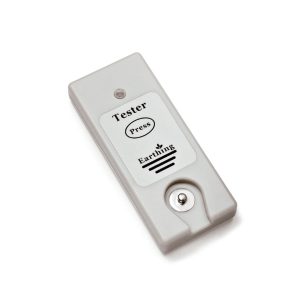
The most reliable way is to use a continuity tester or dedicated grounding tester to check the connection.
Tag: Uncategorised