How To Test You Are Properly Grounded Using A Multimeter
Sign Up For 10% October Discount | FREE Shipping On All Orders Over £70
At Be Grounded, we believe that knowing your Earthing product is actually working is just as important as using it. Grounding, also known as Earthing, has been shown to reduce inflammation, improve sleep quality, and support overall well-being. But how can you be certain you’re truly connected to the Earth’s natural energy?
One of the most reliable ways to verify proper grounding is to measure the change in your body voltage using a multimeter. It’s simpler than it sounds, and the results can be genuinely eye-opening. This guide walks you through the process step by step, based on the original research of Gaétan Chevalier, Ph.D.
When you’re not grounded, your body acts a bit like an antenna. It picks up alternating current (AC) voltage from the electrical wiring and devices all around you, from your lamps, phone chargers, clock radios, and more. This ambient electrical field can interfere with your body’s natural bioelectrical state.
When you connect to the Earth through an Earthing product, that excess voltage is safely dissipated into the ground. Using a multimeter lets you see this change happening in real time, concrete, measurable proof that your grounding mat, sheet, or patch is doing its job.
Key terms you’ll come across:
Before you start, gather the following:
Step 1: Check Your Socket Is Properly Earthed
This is the most important first step. Your Earthing product can only work if your socket’s earth connection is functioning correctly.
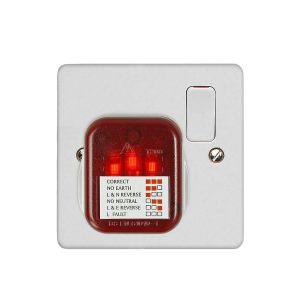
Plug a socket tester into the outlet you plan to use. If it shows the socket is properly earthed, you’re good to go. If it flags a fault which is more common in older UK homes. You may need to use an Earthing ground rod outdoors instead of relying on your mains socket.
Step 2: Set Up Your Multimeter
Important: Do not use DC volts for this test. You’re measuring AC body voltage, not DC.
Step 3: Earth Your Multimeter
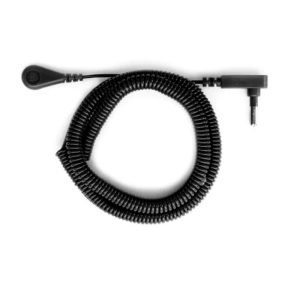
Connect the black probe to the earth port of your socket using your spare Earthing grounding cord and the alligator clip. This gives your multimeter a proper earth reference point. Without it, your readings won’t be accurate.
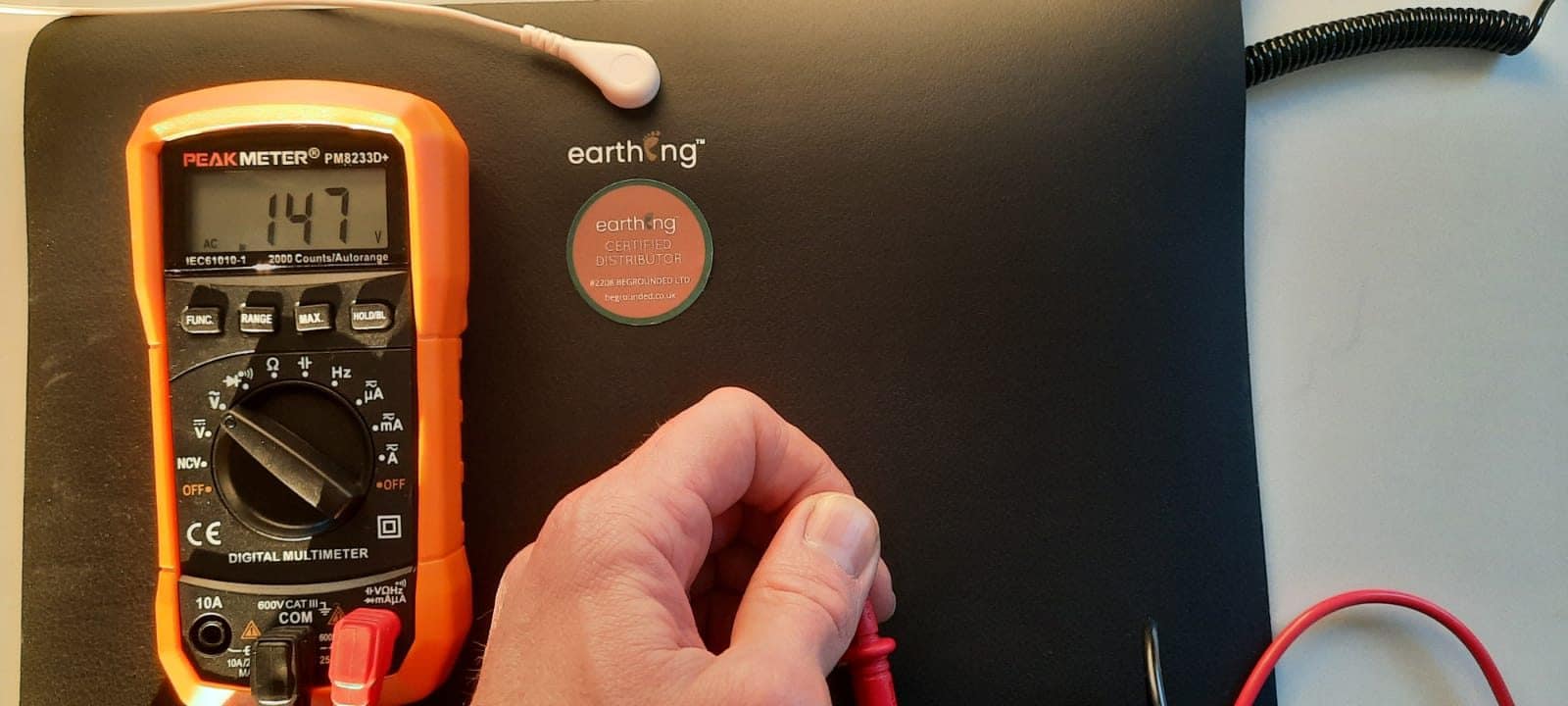
Step 4: Measure Your Body Voltage
Step 5: Compare the Readings
Your ungrounded reading will typically fall somewhere between 1V and 10V, depending on how many electrical devices are in the room. Once you’re connected to your Earthing product, that voltage should fall significantly, ideally dropping by a factor of 20 or more.
For example: if your ungrounded voltage reads 5V, a properly grounded reading should be around 0.25V (250mV) or below.
Don’t worry if the reading doesn’t drop all the way to zero. A small amount of background electrical noise is completely normal. What you’re looking for is a substantial drop, and that confirms your grounding product is working.
The research behind this test is compelling. In studies by Dr. Gaétan Chevalier, one participant’s body voltage measured 8.35V before grounding, and just 0.09V (90mV) after. A reduction of over 93 times.
Dr. Chevalier also demonstrated how much our indoor environment contributes to body voltage. Simply turning off and unplugging lamps, clocks, and radios reduced the baseline reading significantly. It’s a powerful reminder of how much electrical energy our bodies are quietly absorbing every single day.
Reducing body voltage is a measurable, verifiable effect of Earthing, but the deeper benefits come from something more fundamental. When you’re grounded, your body gains access to the Earth’s free electrons. These electrons act as natural antioxidants, helping to neutralise inflammation and oxidative stress at a cellular level.
People who use Earthing products regularly often report:
If you’re new to grounding and not ready to pick up a multimeter yet, here’s a straightforward way to feel the difference for yourself:
Most people notice a genuine shift, normally feel calmer, less tense, and often with reduced discomfort. It’s one of the simplest things you can do, and it costs nothing.
Body voltage refers to the AC electrical charge your body picks up from the wiring and devices in your environment. It’s not dangerous at normal levels, but it does indicate how much electromagnetic exposure your body is experiencing. Grounding reduces this charge by providing a path for excess electrons to dissipate into the Earth.
You need a multimeter that can read millivolts (mV) of AC voltage, not just whole volts. Look for one with an auto-range feature (marked ṽ). A basic digital multimeter from a hardware store will usually do the job, you don’t need anything specialist or expensive.
A well-functioning Earthing product should reduce your body voltage by a factor of 20 or more. If your ungrounded reading is 4V, for instance, you’d expect a grounded reading of around 0.2V (200mV) or lower. The bigger the drop, the better your grounding connection.
If your socket isn’t properly earthed, you won’t be able to ground through it. This is more common in older properties. In this case, we’d recommend using an Earthing ground rod outside, which connects directly to the Earth and bypasses your home’s wiring entirely.
Yes, it does. The more electrical devices that are switched on and plugged in around you, the higher your baseline (ungrounded) body voltage reading is likely to be. Turning off lamps, unplugging chargers, and switching off nearby devices will lower the starting reading, which is itself a good demonstration of how much ambient EMF we’re exposed to indoors.
Yes. Whether you’re using a grounding mat, an Earthing mattress cover, a desk mat, or grounding patches, the same multimeter test applies. Simply make contact with the product during Step 4 and compare the before and after readings.
There’s no strict rule, but it’s worth testing when you first set up a new product, if you move it to a different socket, or if you want to reassure yourself it’s still working. It only takes a few minutes and gives you complete confidence that you’re properly connected.